 Colchester Electrical Services
Guide
Common mistakes with an EICR and how to avoid them
The usual EICR mistakes are poor preparation, choosing on price alone and ignoring the codes. Here is how to avoid each one and get a useful report.
- Send a short enquiry
- Covering Essex
- EICR and related services
The most common EICR mistakes are treating it as a box-ticking exercise, choosing an inspector on price alone, blocking access to parts of the installation, and not acting on the findings. You avoid them by knowing what an Electrical Installation Condition Report actually covers, preparing the property beforehand, and reading the observation codes properly. This guide is for homeowners, landlords and tenants in Colchester and across Essex.
Mistaking an EICR for something else
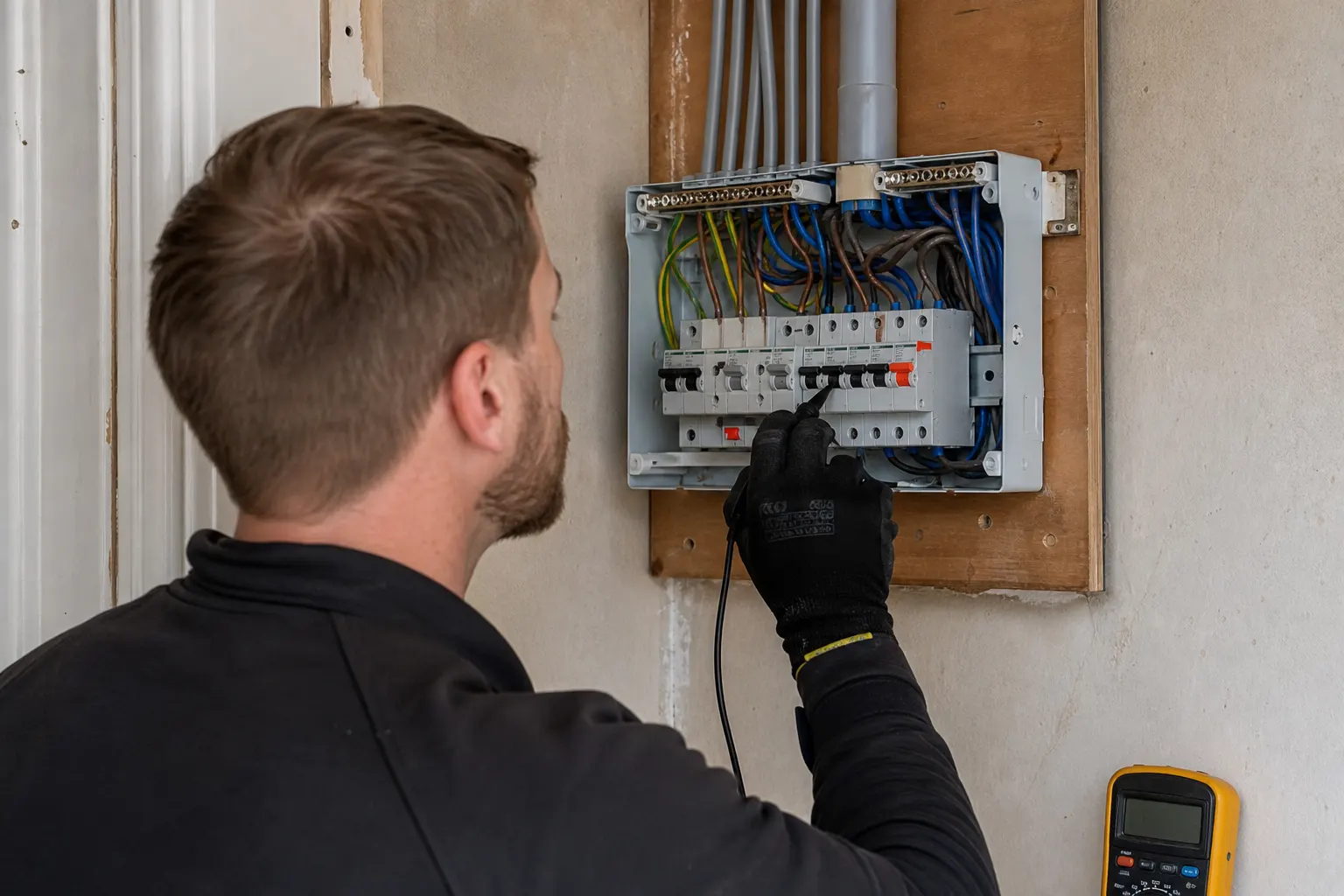
An EICR is a formal inspection and testing of the fixed electrical installation: the consumer unit (fuse board), wiring, sockets, light fittings, earthing and bonding. It is not a quick visual check, and it is not the same as portable appliance testing, which looks at plugged-in equipment.
People also call the result a pass or fail. The report actually concludes that the installation is either satisfactory or unsatisfactory, and lists observations with codes. If someone offers a report after a brief look with no testing, be cautious. A proper EICR involves testing circuits, which takes time.
Choosing the inspector on price alone
The cheapest quote can mean a rushed job, a thin report or surprise extras later. Ask who will do the inspection and whether they are a qualified electrician with experience of periodic inspection. You can also ask what the report will include and whether you will receive it in writing.
Pricing for an EICR depends on things such as the size of the property, the number of circuits, the age and condition of the wiring and consumer unit, how easy everything is to reach, and how long the testing takes. Any repair work found during the inspection is usually separate from the report itself. Ask for a written quote that says clearly what is and is not included, so you can compare like with like.
Not preparing access
A frequent cause of delays is inspectors being unable to reach parts of the installation. If a circuit cannot be inspected, the report may have to note that as a limitation, and you may need a second visit.
Before the appointment:
Clear space around the consumer unit and any other distribution boards.
Unlock garages, sheds, lofts, outbuildings and cupboards that hold electrical equipment.
Move furniture that blocks sockets where you can.
Tell everyone in the property that the power will be switched off for periods, and plan around computers, alarms, freezers and medical equipment.
If you are a landlord, give tenants proper notice and arrange access in good time.
Misreading the codes
The observation codes matter more than the headline result. In general terms, C1 means danger is present and urgent action is needed. C2 means potentially dangerous. C3 means improvement is recommended. FI means further investigation is required without delay.
A common mistake is brushing off C3 items because they do not make the report unsatisfactory. They are still worth reading, as they can point to ageing parts of the installation you may want to plan for. Another mistake is ignoring FI, which means the inspector could not fully judge something and more work is needed to find out. If the codes are not clear, ask the inspector to explain them in plain English.
Filing the report and doing nothing
An unsatisfactory report is only useful if you act on it. Ask for a written quote for the remedial work, get it done, and keep the paperwork showing it was completed. Keep the original report too, because a buyer, a letting agent, a mortgage lender or an insurer may ask for it.
Landlords should be especially careful. There are rules about electrical inspections in rented homes, including keeping reports and giving copies to tenants. Rules can change, so check GOV.UK for the current position rather than relying on an old article or a friend's advice.
Finally, note the recommended date for the next inspection on the report and put it in your diary. Many people forget until it becomes a rush.
Common questions
Do I need to be at home during an EICR?
Not always, but someone must provide access to every room and the consumer unit. If you are not there, arrange a trusted person to let the inspector in, and make sure they know the power will be off at times.
Can I get an EICR done if the report might find problems?
Yes, and that is the point of it. Finding faults on paper is better than finding them through an electric shock or a fire. Faults can then be quoted for and put right.
What does an unsatisfactory EICR mean?
It means the inspector found something coded C1, C2 or FI. These need attention, and urgent items should be dealt with promptly. It does not mean the whole installation must be replaced, so ask for the issues and the options in writing.
How do I know how often to get an EICR?
The report itself gives a recommended date for the next inspection, based on the condition of the installation. For rented property, check GOV.UK for the current rules, as they can change.
Useful sources
- NICEIC: The electrical contracting body, with a register to check an electrician.
- GOV.UK: electrical safety standards in the private rented sector: The official guidance for landlords, tenants and councils on electrical safety checks.